
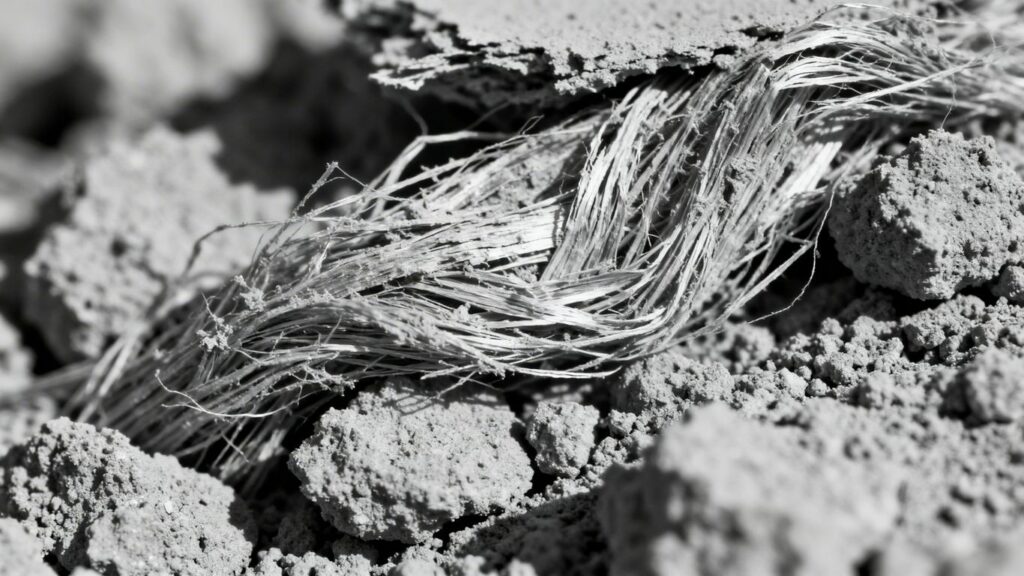
Asbestos exposure happens when microscopic fibers become airborne and are subsequently inhaled or ingested. These fibers can settle in the lungs, leading to inflammation and long-term damage over time. The primary concern with asbestos is its potential to cause serious, often fatal, diseases. Even limited exposure can pose a hazard, especially if it occurs repeatedly.
What Are Asbestos Exposure Health Risks?
The health risks associated with asbestos exposure are significant and primarily affect the respiratory system. When asbestos fibers are breathed in, they can become lodged in the lung tissue. Over many years, these fibers can cause scarring and inflammation, leading to a range of debilitating conditions. These conditions often have a long latency period, meaning symptoms may not appear for decades after the initial exposure.
How Asbestos Fibers Cause Harm
Once inhaled, asbestos fibers are durable and can remain in the lungs indefinitely. The body’s immune system attempts to remove these foreign bodies, but the fibers’ sharp, needle-like structure makes them difficult to break down. This persistent presence leads to chronic inflammation. Over time, this inflammation can cause:
- Scarring of lung tissue: This condition, known as asbestosis, reduces lung capacity and makes breathing difficult.
- Damage to the lining of the lungs: This can lead to pleural diseases, such as pleural plaques or thickening, and is a precursor to more serious conditions.
- Cellular changes: The chronic irritation and inflammation can damage DNA in lung cells, increasing the risk of developing cancers like mesothelioma and lung cancer. The exact mechanisms are complex, but the physical irritation and the fibers’ chemical properties are thought to play a role.
Common Sources of Asbestos Exposure
Exposure to asbestos can occur in various settings. Historically, asbestos was widely used in building materials for insulation, roofing, and flooring due to its heat and fire resistance. Therefore, individuals working in or renovating older buildings constructed before the year 2000 are at a higher risk. Common sources include:
- Occupational settings: Construction, demolition, shipbuilding, and manufacturing industries have historically involved significant asbestos use. Workers in these fields may have inhaled fibers during their careers. You can find more information on occupational hazards.
- Home environments: Older homes may contain asbestos in insulation, textured paints, vinyl floor tiles, and pipe wrap. Disturbing these materials during renovations or repairs can release fibers.
- Environmental exposure: In some areas, asbestos can be present in the natural environment, and its release can be triggered by natural events or human activities like mining.
Diseases Linked to Asbestos Exposure
When asbestos fibers find their way into the lungs, they can cause a range of serious health issues. These conditions often take a long time to show up, sometimes decades after someone was first exposed. It’s important to know about these potential diseases because early recognition can make a difference.
Asbestosis: Scarring of the Lungs
Asbestosis is a chronic lung condition. It happens when asbestos fibers get lodged in the lung tissue, causing inflammation and eventually scarring. This scarring makes the lungs stiff and less able to expand, leading to shortness of breath and a persistent cough. The damage from asbestosis is permanent and tends to get worse over time. It’s a progressive disease that significantly impacts breathing.
Mesothelioma: A Rare Cancer
Mesothelioma is a particularly aggressive and rare cancer. It develops in the mesothelium, which is the thin lining that covers many of the body’s organs, most commonly the lungs (pleura) and the abdomen (peritoneum). Even a small amount of asbestos exposure can eventually lead to mesothelioma, though it typically has a very long latency period, often 20 to 50 years after exposure. Sadly, the prognosis for mesothelioma is often poor.
Lung Cancer and Other Malignancies
Exposure to asbestos is a known cause of lung cancer. The risk is significantly higher for individuals who smoke and have also been exposed to asbestos, a combination that has synergistic effects, meaning the combined risk is greater than the sum of the individual risks. While lung cancer and mesothelioma are the most well-known asbestos-related cancers, research suggests asbestos exposure may also be linked to other cancers, though the evidence for these is sometimes less clear. These include cancers of the larynx and ovary, and potentially others like stomach and colorectal cancers.
Pleural Diseases Associated with Asbestos
Besides cancer, asbestos exposure can lead to several non-cancerous conditions affecting the pleura, the membranes surrounding the lungs. These include:
- Pleural plaques: These are localized areas of thickening on the pleura. They are often found incidentally during imaging tests and don’t usually cause symptoms on their own.
- Pleural thickening: This is a more widespread thickening of the pleural lining, which can sometimes restrict lung expansion and cause chest discomfort or shortness of breath.
- Benign pleural effusions: This involves an abnormal buildup of fluid in the space between the lung and the chest wall. While often temporary, it can cause pain and breathing difficulties.
Even though these pleural conditions might not be cancerous themselves, their presence is a strong indicator of past asbestos exposure and may signal an increased risk for developing more serious asbestos-related diseases like lung cancer or mesothelioma down the line. If you have concerns about potential exposure, speaking with a doctor about your history is a good first step. You can find more information on asbestos-related diseases from resources like the Agency for Toxic Substances and Disease Registry.
Factors Influencing Asbestos Risk
The likelihood of developing an asbestos-related illness isn’t the same for everyone. Several things play a role in how asbestos exposure might affect someone’s health. It’s not just about whether you were exposed, but also about the specifics of that exposure and your own body.
Dose, Duration, and Frequency of Exposure
The amount of asbestos someone breathes in, how long they are exposed for, and how often this happens are big factors. Think of it like this:
- Dose: The more fibers you inhale, the higher the potential risk.
- Duration: Longer periods of exposure, even at lower levels, can build up over time.
- Frequency: Repeated exposures, like daily for years, are more concerning than a single, brief encounter.
Generally, higher doses, longer durations, and more frequent exposures lead to a greater risk of developing asbestos-related diseases. These conditions often take many years, even decades, to show up after the initial exposure.
Characteristics of Asbestos Fibers
Not all asbestos is the same. The type of asbestos fiber, its size, and its shape can also influence the health risks. Different types of asbestos have different chemical makeups and structures. Some studies suggest that certain types, like amphibole asbestos, might stay in the lungs longer and potentially pose a higher risk for diseases like mesothelioma compared to other types. The physical characteristics of the fibers determine how they interact with lung tissue once inhaled.
Individual Health Factors and Genetics
Personal health plays a part too. Someone’s existing lung conditions or their history of smoking can significantly alter their risk profile when exposed to asbestos. Furthermore, emerging research is looking into genetic factors. Certain genetic predispositions might make some individuals more susceptible to developing asbestos-related diseases than others, even with similar exposure levels. This area is still being explored, but it highlights that individual biology matters.
Identifying Individuals at Risk
Certain groups and individuals face a higher likelihood of encountering asbestos and, consequently, experiencing its health risks. Understanding these demographics is key to implementing targeted prevention and awareness efforts.
Occupational Hazards and High-Risk Professions
Historically, many industries have utilized asbestos extensively, placing workers in these fields at significant risk. These professions often involve direct contact with asbestos-containing materials (ACMs) or working in environments where asbestos fibers are likely to be present and disturbed. Those who have worked in construction, shipbuilding, automotive repair, and manufacturing processes involving asbestos are particularly vulnerable.
Key high-risk occupations include:
- Tradespeople: Electricians, plumbers, carpenters, joiners, and roofers who work in older buildings may disturb ACMs during renovations or repairs.
- Industrial Workers: Those involved in the manufacturing, installation, or removal of asbestos products, such as insulation, cement, and textiles.
- Maintenance and Repair Personnel: Individuals responsible for maintaining older buildings, including boiler operators and janitorial staff.
- Emergency Responders: Firefighters and demolition workers may be exposed during building fires or the dismantling of structures containing asbestos.
Workers in these fields often face exposure during activities like cutting, drilling, sanding, or demolition, which can release microscopic asbestos fibers into the air. For those in such professions, understanding the risks and adhering to safety protocols is paramount. Information from organizations like the Agency for Toxic Substances and Disease Registry (ATSDR) can provide further details on occupational health risks.
Environmental and Home Exposure Risks
Beyond the workplace, individuals can be exposed to asbestos in their living environments. This is particularly true for those residing in older homes or buildings constructed before asbestos use was widely restricted. Asbestos materials were commonly used in insulation, flooring, ceiling tiles, and roofing. When these materials degrade, become damaged, or are disturbed during home renovations, asbestos fibers can be released.
Factors contributing to environmental and home exposure include:
- Aging Buildings: Asbestos-containing materials in older structures can deteriorate over time, leading to fiber release.
- Home Renovations: DIY projects or professional renovations that involve disturbing walls, ceilings, or floors can aerosolize asbestos fibers if ACMs are present.
- Proximity to Industrial Sites: Communities located near former asbestos mines or manufacturing plants may experience higher levels of ambient asbestos fibers in the air.
Homeowners and residents should be aware of the potential presence of asbestos in their homes, especially if the property was built before the year 2000. Professional surveys are recommended before undertaking any significant renovations. The U.S. Environmental Protection Agency (EPA) offers guidance on managing asbestos in homes and the environment.
Secondhand Exposure Concerns
Secondhand asbestos exposure, also known as take-home exposure, occurs when asbestos fibers are carried home on the clothing, hair, or skin of workers who were exposed occupationally. Family members, particularly spouses and children, could then inhale these fibers. This type of exposure, while often at lower levels than direct occupational exposure, has still been linked to asbestos-related diseases.
Individuals at risk of secondhand exposure typically include:
- Family members of asbestos-exposed workers: Especially those who washed the worker’s contaminated clothing or had close contact.
- Individuals living in households with workers from high-risk professions: Such as those in mining, construction, or manufacturing.
Implementing strict decontamination procedures at the worksite, such as showering and changing clothes before leaving, is vital to prevent take-home exposure. Awareness and communication between workers and their families about potential risks are also important steps in mitigating this form of exposure. The long latency period of asbestos diseases means that even seemingly minor exposures can have serious health consequences years later.
Detecting Asbestos-Related Diseases
Recognizing Potential Symptoms
Asbestos-related diseases often have a long latency period, meaning symptoms might not appear for many years, sometimes decades, after exposure. This can make diagnosis challenging. It’s important to be aware of potential signs, especially if you have a history of working in industries where asbestos was common or have lived in older buildings that may contain asbestos materials. Some common symptoms to watch for include:
- Persistent cough, which may worsen over time
- Shortness of breath, even during light activity
- Chest pain or tightness
- Unexplained weight loss
- Fatigue or anemia
- Wheezing or hoarseness
Diagnostic Tools and Medical Evaluations
If you suspect you might have an asbestos-related condition, consulting a healthcare professional is the first step. Doctors typically begin by taking a detailed medical history, which includes your work, environmental, and any known or suspected asbestos exposure history. Following this, several diagnostic tools can be employed:
- Physical Examination: A general assessment of your health.
- Chest X-ray: This is a common tool that can help identify early signs of lung disease, such as scarring or thickening of the lung lining. While it cannot detect asbestos fibers directly, it can reveal changes in the lungs caused by them.
- Pulmonary Function Tests (PFTs): These tests measure how well your lungs are working.
- Lung Biopsy: In some cases, a small sample of lung tissue may be removed surgically to examine for microscopic asbestos fibers. This is a more definitive way to confirm exposure.
- Bronchoscopy: A less invasive procedure where a thin tube with a camera is inserted into the airways to collect samples or rinse fluid from the lungs, which can then be tested for asbestos fibers.
The Role of Medical and Exposure History
A thorough medical and exposure history is absolutely vital for diagnosing asbestos-related diseases. Healthcare providers use this information to understand the potential risks and guide their diagnostic process. Knowing where and when you might have been exposed to asbestos, the duration of that exposure, and the type of work you did can significantly help in identifying the cause of your symptoms. This detailed history, combined with the results from diagnostic tests, allows doctors to make a more accurate diagnosis and develop an appropriate management plan. For more information on asbestos-related health concerns, resources like the Agency for Toxic Substances and Disease Registry can be helpful.
The Impact of Smoking on Asbestos Risk
Synergistic Effects on Lung Cancer
When asbestos fibers are inhaled, they can cause significant damage to lung tissue. This damage can lead to cellular mutations and chronic inflammation, increasing the likelihood of developing lung cancer. However, the risk escalates dramatically for individuals who also smoke. The combination of asbestos exposure and smoking creates a synergistic effect, meaning the combined risk of lung cancer is far greater than the sum of the individual risks. This means a smoker exposed to asbestos faces a much higher chance of developing lung cancer than a non-smoker exposed to the same amount of asbestos, or a smoker who has never been exposed.
Reducing Risk by Quitting Smoking
For those with a history of asbestos exposure, quitting smoking is one of the most impactful steps they can take to mitigate their health risks. Studies have indicated that ceasing to smoke can lead to a reduction in the risk of developing lung cancer among asbestos-exposed workers. While quitting may not entirely eliminate the elevated risk associated with past asbestos exposure, it significantly lowers the odds of developing lung cancer and other smoking-related respiratory issues. It’s never too late to quit, and the benefits to lung health are substantial.
Mesothelioma Risk and Smoking
It is important to note that while smoking significantly amplifies the risk of lung cancer in the presence of asbestos, the evidence does not suggest a similar synergistic effect for mesothelioma. Mesothelioma is a rare cancer that develops in the lining of the lungs, abdomen, or heart, and its development is strongly linked to asbestos exposure. While smokers who have been exposed to asbestos should still be concerned about their overall lung health, their risk of developing mesothelioma is not demonstrably increased by smoking in the same way their lung cancer risk is. Nevertheless, given the severe nature of asbestos-related diseases, individuals with any history of asbestos exposure are strongly advised against smoking. If you suspect you may have been exposed to asbestos, discussing your risks with a healthcare provider is a good idea medical history.
Managing Asbestos Exposure and Health
Preventive Measures and Safety Practices
Taking proactive steps is key to minimizing the risks associated with asbestos. For homeowners and professionals alike, understanding where asbestos might be present is the first step. Buildings constructed before the year 2000 are more likely to contain asbestos-containing materials (ACMs). If these materials are intact and undisturbed, the risk is generally low. However, any work that might disturb them, such as renovations or demolition, requires careful planning.
Key strategies for prevention include:
- Professional Surveys: Before starting any work on older properties, it is advisable to have a qualified professional conduct a survey to identify and assess ACMs. This helps in making informed decisions about management or removal.
- Controlled Removal: If ACMs need to be removed, it should only be done by licensed contractors who follow strict safety protocols. These protocols often involve creating sealed work areas and using specialized equipment to prevent fiber release.
- Safe Work Practices: When dealing with materials that may contain asbestos, techniques like wetting the material before disturbing it can significantly reduce airborne fibers. Using hand tools instead of power tools and ensuring good ventilation with HEPA filters are also important.
- Personal Protective Equipment (PPE): For individuals who must work in areas where asbestos exposure is possible, wearing appropriate PPE, such as respirators with P3 filters and disposable coveralls, is vital. Proper fitting and maintenance of this equipment are crucial.
Monitoring Long-Term Health Outcomes
Because asbestos-related diseases often have a long latency period, ongoing health monitoring for individuals with a history of exposure is important. This surveillance can help detect potential problems early.
- Regular Check-ups: Medical professionals may recommend periodic check-ups that include chest X-rays and lung function tests. These can help identify changes in the lungs over time.
- Symptom Awareness: Individuals should be aware of potential symptoms, such as persistent cough, shortness of breath, or chest pain, and report them to their doctor promptly.
- Record Keeping: Maintaining records of past exposure, including the type of work and duration, can be very helpful for doctors when diagnosing and managing any asbestos-related conditions.
Support and Resources for Affected Individuals
For those diagnosed with an asbestos-related disease, a range of support systems and resources are available. Connecting with these can provide practical help and emotional comfort.
- Patient Advocacy Groups: Organizations dedicated to asbestos-related diseases offer information, support networks, and guidance on navigating treatment options and legal rights.
- Medical Professionals: Consulting with doctors experienced in respiratory illnesses and asbestos diseases is important for proper diagnosis and management.
- Legal Counsel: Individuals may wish to seek legal advice regarding potential compensation claims, especially if exposure occurred in a workplace setting due to negligence. This can help cover medical costs and lost income.