
Clear eyesight can make daily life more convenient, whether you are working on a computer, driving, reading, exercising, or managing everyday tasks. For people who have worn glasses or contact lenses for years, the idea of waking up with clearer vision can be very appealing. This is one reason many patients begin exploring lasik surgery in the Philippines as a possible option.
LASIK can help reduce dependence on eyeglasses or contact lenses for some people, but it is not suitable for everyone. It is a medical procedure that requires proper screening, realistic expectations, and guidance from an eye specialist. Before deciding, patients should understand how LASIK works, who may qualify, what recovery may involve, and what questions to ask during consultation.
What Is LASIK?
LASIK stands for laser-assisted in situ keratomileusis. It is a type of refractive surgery that uses laser technology to reshape the cornea, the clear front surface of the eye. The cornea helps focus light onto the retina. When the shape of the eye affects how light is focused, vision can become blurry.
LASIK may help correct common refractive errors such as nearsightedness, farsightedness, and astigmatism. These conditions are often managed with glasses or contact lenses, but some patients may consider surgery for convenience, lifestyle reasons, or long-term vision correction.
For patients researching lasik Philippines, the most important first step is not comparing prices or clinics. It is finding out whether your eyes are healthy enough for the procedure.
How LASIK Works
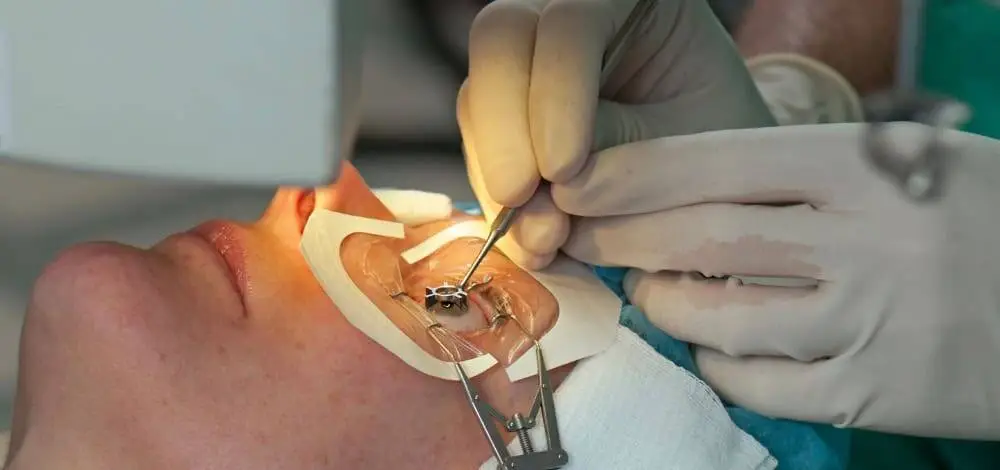
During LASIK, the surgeon uses numbing eye drops to reduce discomfort. A thin flap is created on the cornea, and a laser reshapes the tissue underneath. The flap is then placed back into position, where it begins to heal naturally.
The procedure is usually done on an outpatient basis, meaning patients can typically go home the same day. However, someone should accompany you because your vision may be blurry, watery, or light-sensitive shortly after the procedure.
Although LASIK is often described as quick, it should never be treated as a casual decision. The planning and screening before surgery are just as important as the procedure itself.
Who May Be a Good Candidate?
A good LASIK candidate usually has a stable prescription, healthy eyes, and a cornea that is suitable for laser reshaping. The patient should also understand that results can vary.
Stable Vision
Eye doctors usually check whether your prescription has remained stable. If your eye grade continues to change, your doctor may advise waiting before considering surgery.
Healthy Corneas
Since LASIK reshapes the cornea, the cornea must be thick and healthy enough. Thin, weak, scarred, or irregular corneas may make LASIK unsafe or less predictable.
Manageable Dry Eye Symptoms
Dry eyes should be evaluated before surgery. LASIK can temporarily affect tear production, so patients with existing dryness may need treatment first or may be advised to consider another option.
Realistic Expectations
LASIK may reduce dependence on glasses, but it does not guarantee perfect vision for every patient. Some people may still need eyewear for certain tasks, especially as they get older.
Who May Not Be Suitable for LASIK?
LASIK may not be recommended for people with unstable prescriptions, severe dry eyes, thin corneas, keratoconus, active eye infections, uncontrolled diabetes, certain autoimmune conditions, advanced glaucoma, or cataracts that significantly affect vision.
Pregnant or breastfeeding patients may also be advised to wait because hormonal changes can affect vision and eye dryness. People who play contact sports or have work that increases the risk of eye injury should discuss this carefully with an eye doctor.
If LASIK is not the right option, this does not mean you have no choices. Other procedures or vision correction methods may be more appropriate depending on your eye exam results.
What Happens During a LASIK Consultation?
A LASIK consultation is more detailed than a regular eye check. Your doctor may perform several tests to understand your prescription, corneal shape, corneal thickness, tear film, pupil size, and overall eye health.
You may also be asked about medical conditions, medications, previous eye infections or injuries, and your lifestyle. These details help the doctor decide whether LASIK is safe and whether another vision correction option may be better.
This is also the right time to ask questions such as:
- Am I a good candidate based on my eye exam?
- What results can I realistically expect?
- What are the possible side effects?
- How long is recovery?
- Will I still need glasses after surgery?
- What happens if my vision changes later?
- Are there other procedures I should consider?
A responsible provider should explain both benefits and risks clearly.
Possible Side Effects and Risks
Many patients recover well after LASIK, but side effects can happen. These may include dry eyes, glare, halos, light sensitivity, fluctuating vision, or difficulty seeing clearly at night. Some symptoms improve as the eyes heal, while others may need additional care.
This is why follow-up visits matter. Your doctor can monitor healing, check your vision, and manage symptoms early. Patients should avoid rubbing their eyes, swimming too soon, using eye makeup early, or exposing their eyes to dust and dirty water unless the doctor says it is safe.
What Recovery May Look Like
Some patients notice better vision within a short time, but healing continues after the first few days. You may be given eye drops to prevent infection, reduce inflammation, or manage dryness. Your doctor will also provide instructions on rest, screen use, hygiene, and activity limits.
It is important to follow these instructions closely. Even if your vision seems clearer right away, your eyes still need time to heal.
LASIK Compared With Other Vision Correction Options
LASIK is one of the best-known laser eye procedures, but it is not the only option. Depending on your eyes, your doctor may discuss PRK, SMILE, implantable lenses, or continued use of glasses or contact lenses.
There is no single best option for everyone. The right choice depends on your prescription, corneal health, age, lifestyle, budget, and medical background. A complete eye evaluation helps match the treatment to the patient, not the other way around.
How NowServing PH Can Help
NowServing PH can help patients connect with licensed doctors and eye care professionals for consultation. If you are thinking about LASIK, an online consultation can help you ask initial questions and understand what screening may involve before visiting a clinic.
This can be helpful if you are unsure about your candidacy, worried about recovery, or comparing LASIK with other vision correction options. Medical guidance gives you a safer starting point than relying only on online stories, advertisements, or price lists.
Making a Confident Vision Decision
LASIK can be a helpful option for the right patient, but it should begin with proper evaluation. Clearer vision is the goal, but eye safety should always come first.
Before choosing surgery, understand your eye health, ask about risks, compare alternatives, and follow your doctor’s advice. With the right information and professional guidance, patients in the Philippines can make a more confident decision about whether LASIK is the right path for their vision needs.